
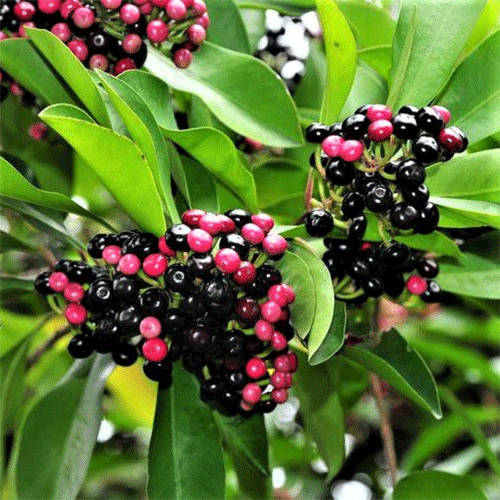
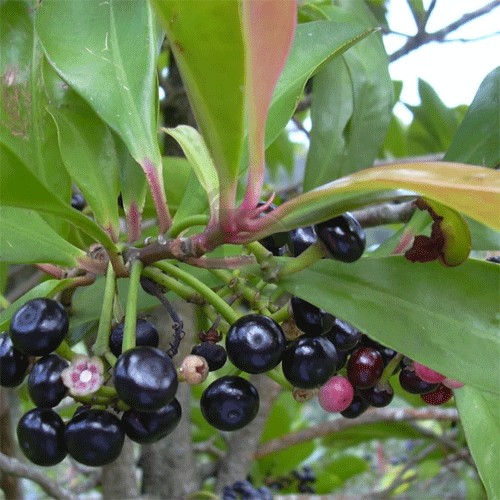
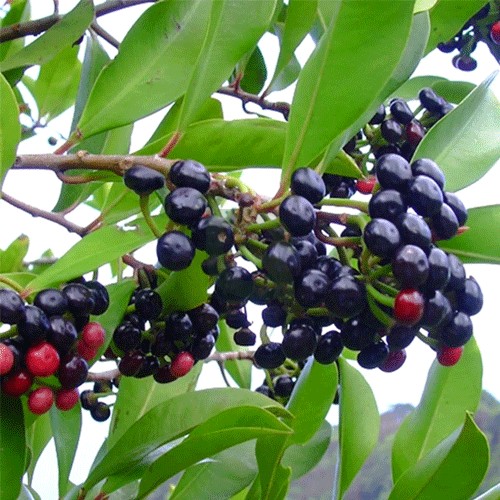
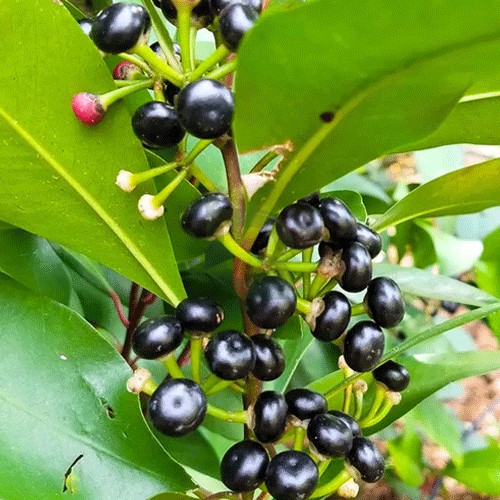
The Kili Njaval Indian Bird Jamun Live Plant is a traditional native fruit tree widely found across Kerala and South India. Known locally as Kili Njaval, this small-fruited jamun variety is loved by birds, wildlife, and fruit enthusiasts for its sweet-tart purple fruits, medicinal value, and excellent adaptability. The tree produces abundant clusters of small jamun fruits that turn deep purple to black when ripe. Supplied by Golden Hills Farm, this healthy live plant is ideal for home gardens, biodiversity planting, native fruit collections, and agroforestry projects.
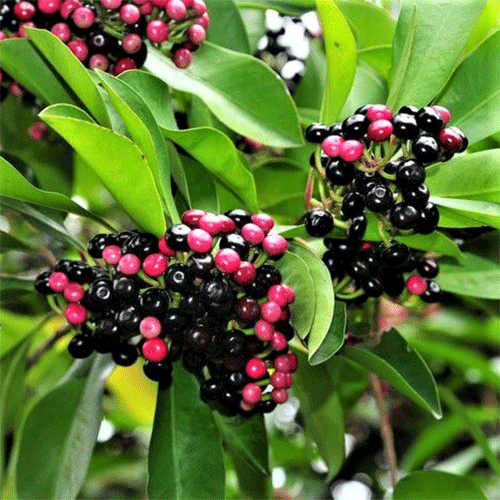
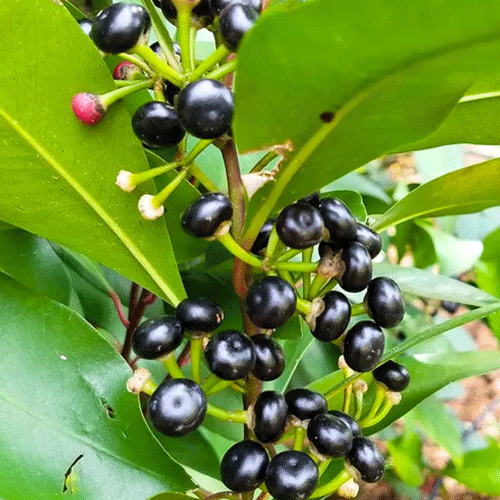
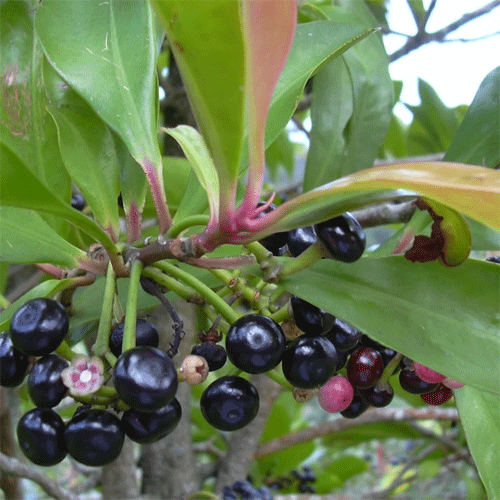
The Kili Njaval Plant thrives throughout tropical and subtropical India. It grows exceptionally well in Kerala, Karnataka, Tamil Nadu, Goa, and Maharashtra. The tree tolerates heavy rainfall, humidity, and varying soil conditions, making it one of the easiest native fruit trees to cultivate.
Young plants can be maintained in large containers temporarily. However, because the tree develops into a large canopy, open-ground planting is recommended for long-term growth and maximum fruit production.
Preparation: Mix organic compost and neem cake into the planting pit.
Planting: Position the plant upright and firm the soil gently.
Watering: Water thoroughly after planting.
Establishment: Maintain moderate moisture during the first few months.
Transplanting: Plant directly in open ground whenever possible.
1. Apply Nutrient-Rich Fertilizers
When your plants begin flowering, use nutrient-rich fertilizers like Organic Bone Meal Powder or Vermicompost. This helps in boosting the bloom and enhances overall yield.
2. Use Organic Fertilizers
Feed your plants with organic fertilizers such as Cow Dung Manure or Neem Cake. Organic options promote healthy soil life.
3. Regular Feeding
Apply fertilizers every 20-25 days to ensure plants receive a steady supply of nutrients. Choose from various options like Cocopeat Compost for moisture retention.
The Kili Njaval Tree is highly valued as a native biodiversity species. Its fruits attract birds, butterflies, and beneficial wildlife, making it an excellent ecological addition to any garden. The fruits are rich in antioxidants and traditionally valued in Indian households. The tree is hardy, long-living, and requires minimal maintenance once established.
Problem: Slow growth
Solution: Apply organic compost and ensure adequate sunlight.
Problem: Yellow leaves
Solution: Improve drainage and nutrient availability.
Problem: Pest infestation
Solution: Use neem oil spray every 10–15 days.
Kili Njaval, Njaval Pazham, Jamun, Java Plum, Black Plum, Jambu, Naval Pazham, Neredu Pandu.
Q1: Why is it called Kili Njaval?
👉 The fruits are highly loved by birds ("Kili" means bird in Malayalam), giving it the name Kili Njaval.
Q2: Is this different from large jamun varieties?
👉 Yes, Kili Njaval usually produces smaller fruits and is a traditional native type.
Q3: Can it grow in Kerala climate?
👉 Yes, Kerala provides ideal growing conditions for Kili Njaval.
Q4: Is it suitable for biodiversity gardens?
👉 Absolutely. It attracts birds, bees, and beneficial wildlife.
Sign in now to receive a 5% instant discount on your first order when using code WELCOME. Begin your organic journey today!
By logging in, you're agreeing to our Terms of Service and Privacy Policy.


Arvind Nair
Good quality Indian Bird Jamun plant for collectors.
Haritha Menon
The plant arrived safely and leaves remained green.
Neha
Kili Njaval plant arrived fresh and healthy.
Nikhil S
packing aur moisture wrapping kaafi achha laga.
Kavya
Plant ka growth achha chal raha hai terrace side me.
Suresh B
Healthy roots and fresh foliage made the plant look premium.
Arjun P
No transplant shock noticed after repotting.
Riya K
Plant adapted quickly after repotting into larger grow bag.
Anoop
Good moisture packing and no leaf damage during delivery.
Deepa Mohan
Good plant quality and root ball looked healthy.