
Total Number of seeds: 30
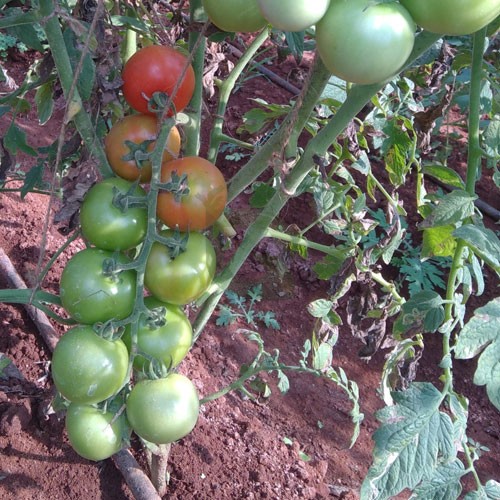
The Tomato Dikhow Seeds are a traditional Indian tomato variety well known for their strong germination, reliable winter performance, and balanced flavour. This variety is widely preferred for cool-season cultivation, producing healthy plants with consistent yields. The fruits are medium-sized, round, juicy, and suitable for daily cooking, salads, and fresh use. With a minimum germination rate of 80%, this variety is dependable for both home gardeners and small-scale growers.
These Tomato Dikhow Seeds are ideal for sowing during the winter months, making them a perfect choice for Indian climatic conditions from September to December. The plants grow steadily under moderate temperatures and reward growers with harvests from January to April. Easy to grow, low maintenance, and adaptable, this Indian heirloom tomato variety is a trusted option for seasonal vegetable gardens.
Type of Seed: Indian Heirloom Tomato Seeds (Dikhow Variety)
Germination Time: 6–10 days
Germination Percentage: Minimum 80%
Hours of Sunlight Needed: 6–8 hours daily
Where to Grow: Open fields, home gardens, raised beds, grow bags
Growing Season: September to December
Seed Sowing Depth: 0.5 cm
Ideal Climate: Cool to mild winter climate
Plant Height: 90–120 cm
Fertilizer Needs: Organic compost or farmyard manure every 15 days
Life Span: Seasonal annual crop
Ideal Growing Temperature: 18–26°C
Harvesting Time: January to April
Maintenance Required: Low to moderate
Watering Frequency: Regular but controlled watering
Ideal Grow Bag Size: 12x12 inch or larger
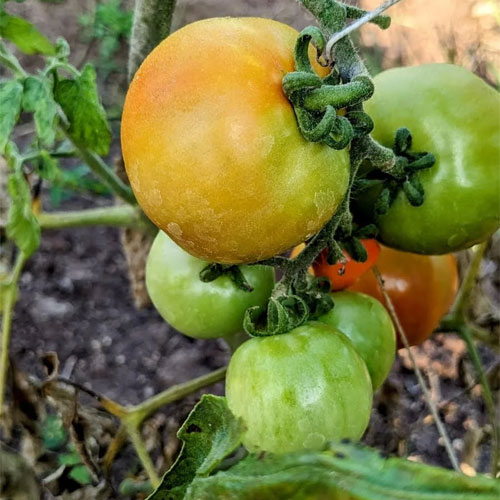
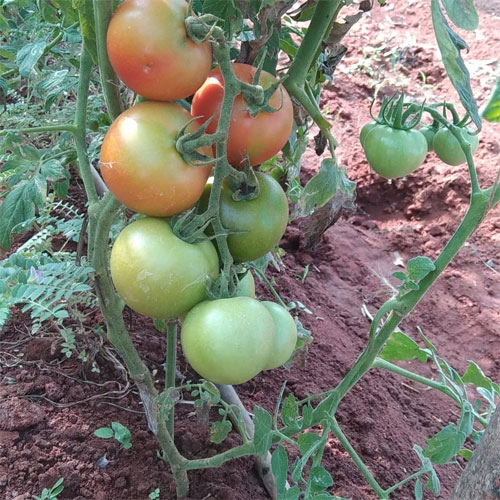
The Tomato Dikhow Seeds are best suited for winter cultivation in India. Sowing is recommended from September to December, followed by planting from October to January. Harvesting begins from January and continues till April, making this variety ideal for cool-season vegetable production. Maintain moderate temperature and sunlight for healthy fruit development.
Choose a 12x12 inch grow bag or pot with good drainage. Fill with fertile soil mixed with compost and cocopeat. Sow 2–3 seeds per pot at a depth of 0.5 cm. Water gently and place the pot in a sunny location. Once seedlings reach 5–6 inches, retain the healthiest plant. Light staking may be provided as the plant grows.
Preparation: Prepare loose, fertile soil enriched with organic compost.
Sowing: Sow seeds at a depth of 0.5 cm.
Watering: Water lightly to keep soil moist.
Germination: Seeds germinate within 6–10 days.
Transplanting: Transplant seedlings with proper spacing once 4–5 leaves appear.
Recommended Spacing:
Row to Row: 45 cm
Plant to Plant: 30 cm
Sunlight: Ensure 6–8 hours of sunlight daily.
Soil: Well-drained loamy soil enriched with compost.
Fertilization: Apply organic manure every 15 days.
Pruning: Remove lower yellow leaves for airflow.
Support & Spacing: Maintain recommended spacing for healthy growth.
Pest Control: Neem oil spray once a week prevents pests.
Disease Prevention: Avoid overwatering and water stagnation.
Mulching: Helps retain moisture during winter months.
Harvesting: Harvest fruits when firm and fully coloured.
1. Apply Nutrient-Rich Fertilizers
When your plants begin flowering, use nutrient-rich fertilizers like Organic Bone Meal Powder or Vermicompost. This helps in boosting the bloom and enhances overall yield.
2. Use Organic Fertilizers
Feed your plants with organic fertilizers such as Cow Dung Manure or Neem Cake. Organic options promote healthy soil life.
3. Regular Feeding
Apply fertilizers every 20-25 days to ensure plants receive a steady supply of nutrients. Choose from various options like Cocopeat Compost for moisture retention.
The Tomato Dikhow Seeds are valued for their high germination rate, winter adaptability, and stable yield. This variety performs well under Indian conditions with minimal care. Fruits store well under recommended storage temperatures of 8–16°C, making them suitable for short-term storage and transport.
Dikhow tomatoes are perfect for daily cooking, curries, salads, chutneys, and sauces. They are rich in vitamins, antioxidants, and natural flavour. Growing your own Tomato Dikhow ensures fresh, chemical-free vegetables throughout the winter season.
Avoid excess watering during cold weather. Maintain proper spacing to prevent fungal diseases. Use organic fertilizers only. Store harvested fruits at recommended temperatures for longer freshness.
Poor Germination: Ensure fresh seeds and proper soil moisture.
Fungal Diseases: Improve airflow and avoid water stagnation.
Slow Growth: Add organic compost or vermicompost.
Pest Attacks: Use neem oil spray regularly.
Local Names of Tomato Dikhow: Desi Tamatar, Indian Winter Tomato, Gol Tamatar, Lal Tamatar, Thakkali, and Local Tomato Variety.
Q1: What is the best sowing time for Tomato Dikhow Seeds?
Sowing is best from September to December.
Q2: What spacing should be followed for planting?
Maintain 45 cm between rows and 30 cm between plants.
Q3: When can I harvest the tomatoes?
Harvesting starts from January and continues till April.
Q4: Is this variety suitable for winter cultivation?
Yes, it is specially suited for winter growing conditions.
Q5: Are these seeds hybrid?
No, they are traditional Indian open-pollinated seeds.
Sign in now to receive a 5% instant discount on your first order when using code WELCOME. Begin your organic journey today!
By logging in, you're agreeing to our Terms of Service and Privacy Policy.


Poonam Gupta
Early flowering observe hua, growth promising lag rahi hai.
Mahesh Kulkarni
Watering control rakha to leaf curl issue nahi aaya.
Imran Hussain
Transplant ke baad plants quickly adjust ho gaye.
Nisha
Good germination and quick sprouting in seed trays.
Sameer A
paudhe majboot nikle aur ugav accha tha
Amit K
Growth remained steady with regular watering.
Ravi
Plants ne heat me bhi achha response diya.
Divya S
Leaves looked thick and healthy throughout.
Arun
Plants showed uniform growth with good leaf color.
Pooja R
Easy to grow for home gardeners.