
Total Number of seeds: 30
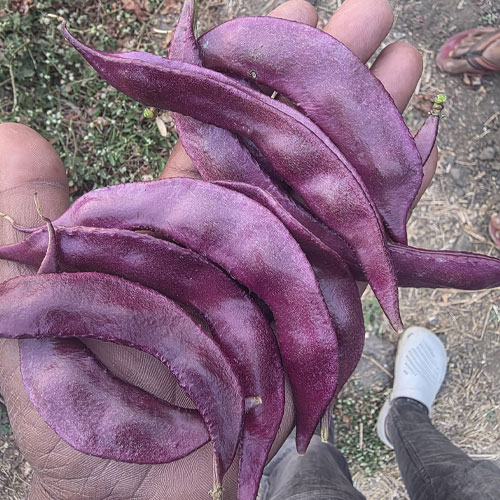
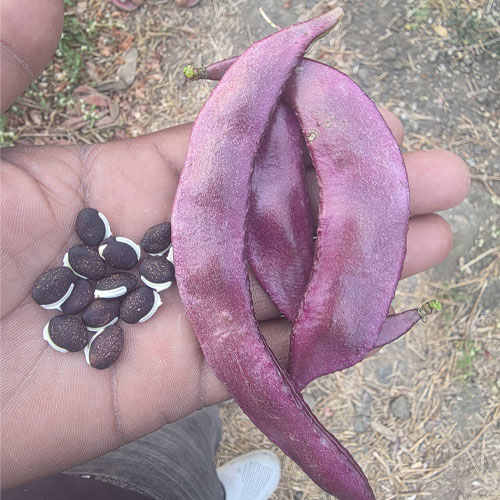
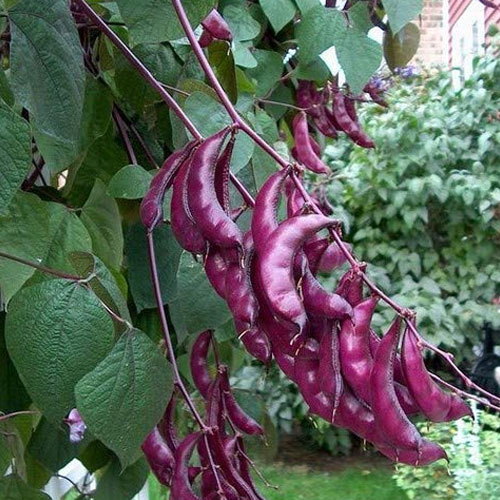
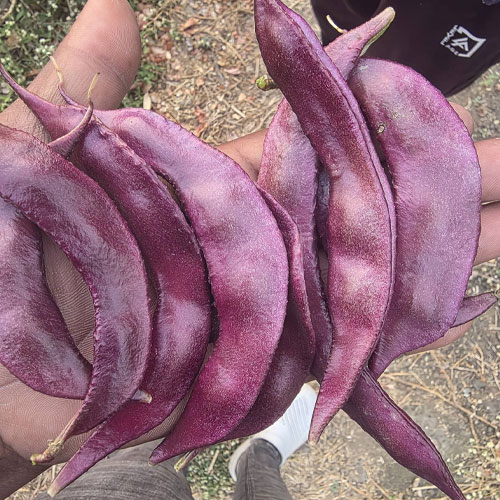
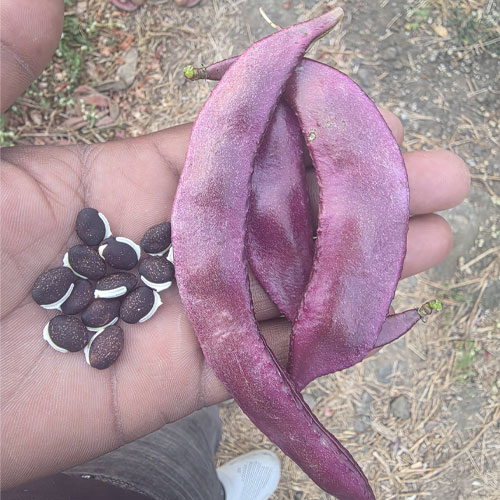
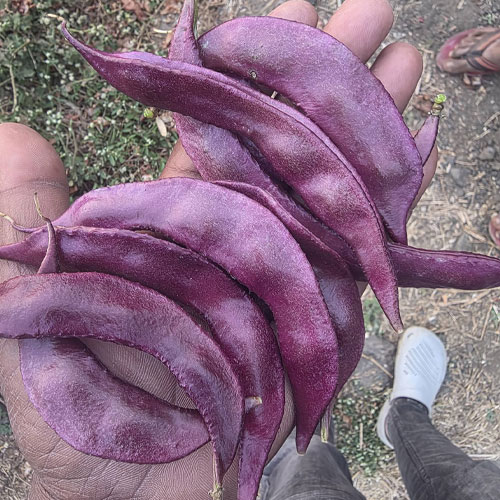
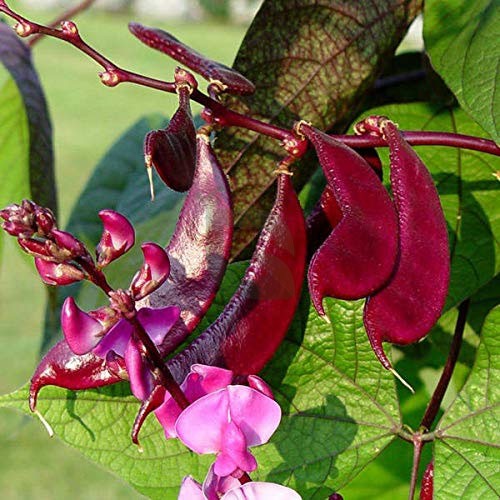
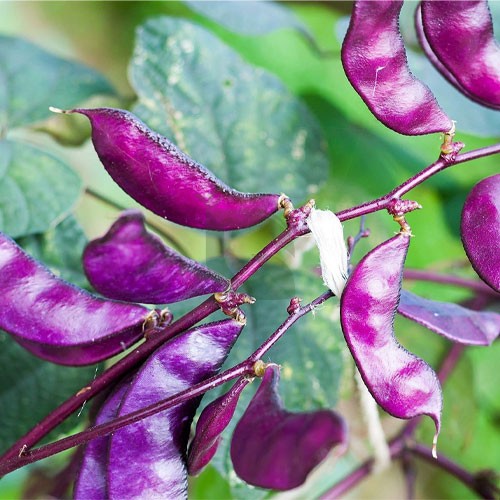
Purple Dolichos LabLab Seeds produce a stunning exotic heirloom bean variety known for its deep purple pods, purple flowers, and attractive foliage. This ornamental and edible climber is also called Purple Hyacinth Bean or Lablab Bean. The vibrant purple colour makes it a highlight in any kitchen garden, terrace garden, or farm.
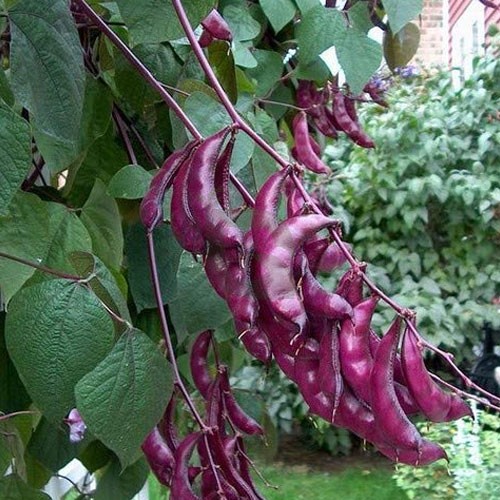
The Purple Dolichos LabLab Seeds grow into fast-climbing vines that produce clusters of flat, tender purple pods. The plant is highly productive and continues yielding for several weeks when harvested regularly. Besides its beauty, this variety is valued for its edible pods, beans, and traditional use in Indian cooking. If you want a rare exotic purple vegetable that is both decorative and productive, this variety is a perfect choice.
Type of Seed: Heirloom Purple Dolichos / Lablab Bean (Open-Pollinated)
Germination Time: 5–8 days
Hours of Sunlight Needed: 6–8 hours daily
Where to Grow: Open field, terrace garden, grow bags with trellis
Growing Season: June–October and January–March
Seed Sowing Depth: 2–3 cm
Ideal Climate: Warm and moderately humid
Plant Height / Spread: Climbing vine (2–3 meters)
Fertilizer Needs: Organic compost every 15–20 days
Life Span: Seasonal climbing bean crop
Ideal Growing Temperature: 20–32°C
Harvesting Time: 60–75 days after sowing
Maintenance Required: Moderate; needs trellis support
Watering Frequency: Regular but avoid waterlogging
Ideal Grow Bag Size: 15x15 inch or larger
Purple Dolichos LabLab Seeds grow best during warm seasons. In South India, sow during June–October and January–March. In North India, sow after winter frost or during monsoon. This vine thrives in warm temperatures with good sunlight exposure.
Use a 15x15 inch grow bag or large container. Fill with fertile soil mixed with compost. Sow seeds 2–3 cm deep. Provide a strong trellis or support system for climbing. Place the pot in full sunlight for better flowering and pod production.
Preparation: Prepare loose, well-drained soil enriched with compost.
Sowing: Sow seeds 2–3 cm deep with proper spacing.
Watering: Water lightly after sowing and keep soil moist.
Germination: Seeds sprout within 5–8 days.
Transplanting: Direct sowing preferred for strong growth.
Sunlight: Full sunlight improves purple colour and flowering.
Soil: Fertile, well-drained loamy soil.
Fertilization: Apply organic manure every 2–3 weeks.
Pruning: Remove weak or damaged vines if needed.
Support & Spacing: Provide trellis or bamboo support.
Pest Control: Neem oil spray weekly prevents pests.
Disease Prevention: Avoid water stagnation near roots.
Mulching: Retains moisture and controls weeds.
Harvesting: Harvest pods when tender and bright purple.
1. Apply Nutrient-Rich Fertilizers
When your plants begin flowering, use nutrient-rich fertilizers like Organic Bone Meal Powder or Vermicompost. This helps in boosting the bloom and enhances overall yield.
2. Use Organic Fertilizers
Feed your plants with organic fertilizers such as Cow Dung Manure or Neem Cake. Organic options promote healthy soil life.
3. Regular Feeding
Apply fertilizers every 20-25 days to ensure plants receive a steady supply of nutrients. Choose from various options like Cocopeat Compost for moisture retention.
Purple Dolichos LabLab stands out for its rich purple pods and ornamental beauty. The plant produces beautiful purple flowers before pod formation, making it both decorative and productive. This heirloom variety adapts well to Indian conditions and gives consistent yield.
Tender pods are used in stir-fries, curries, traditional dishes, and mixed vegetable recipes. The mature beans are also edible after proper cooking. This variety adds colour to your garden and plate while providing nutritious home-grown produce.
Provide strong climbing support early. Avoid heavy waterlogging. Harvest regularly to encourage new pod formation.
Low Flowering: Increase sunlight exposure.
Yellow Leaves: Improve drainage and compost feeding.
Pest Attack: Neem oil spray once a week.
Poor Pod Set: Ensure proper trellis and spacing.
Local Names of Purple Dolichos LabLab: Avarai Purple, Mochai Purple, Lablab Bean, Hyacinth Bean, Purple Avarakkai, Seem Avarai.
Q1: Is Purple Dolichos LabLab edible?
Yes, tender pods and mature beans are edible after proper cooking.
Q2: Can it grow in pots?
Yes, it grows well in large pots with trellis support.
Q3: How long does it take to harvest?
Harvest begins around 60–75 days after sowing.
Q4: Is this hybrid or heirloom?
This is an heirloom open-pollinated variety.
Q5: Does it need strong care?
No, it requires moderate care and regular harvesting.
Sign in now to receive a 5% instant discount on your first order when using code WELCOME. Begin your organic journey today!
By logging in, you're agreeing to our Terms of Service and Privacy Policy.


Vijay Kumar
Flower buds visible hain aur purple shade attractive lag raha hai.
Shalini Rao
Grow bag me root spread achha hua aur stems sturdy bane.
Manoj Sharma
Healthy vine formation and consistent plant stand observed.
Divya Menon
Seeds showed good viability and steady early development.
Arjun Pillai
Transplant ke baad plants smoothly settle hue aur climber active grow kar raha hai.
Anjali Nair
Purple dolichos vine ka early growth strong raha aur leaf size broad hai.
Rahul Menon
Beej fresh mile, sprouting uniform hua aur lablab seedlings healthy nikle.